Meta Ads: The Power of Social Media in Advertising
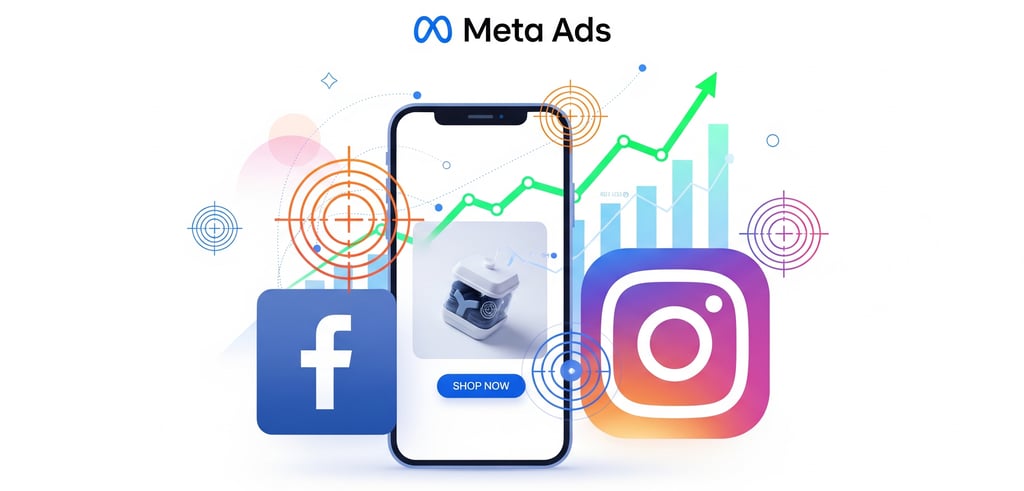
In modern digital marketing, where consumers spend a significant portion of their time on social media, Meta Ads (formerly known as Facebook Ads) has established itself as an essential and highly powerful advertising platform. Covering major platforms such as Facebook, Instagram, Messenger and the Audience Network, Meta Ads offers businesses an unprecedented opportunity to reach vast and highly segmented audiences, build brand awareness, generate leads and drive sales.
Far beyond simply publishing posts, Meta Ads is a sophisticated system that uses extensive user data to deliver highly precise targeting and personalised advertising experiences.
How Meta Ads Works
At the core of Meta Ads lies targeting based on interests, behaviour and demographic data. Unlike search engines, where users actively look for something (indicating clear intent), advertisements on social networks are displayed based on who the user is, what they like, which pages they follow and the content they interact with.
This approach, often referred to as interruption targeting, allows advertisers to reach potential customers who may not yet realise they need a particular product or service, but whose interests and behaviours make them ideal prospects.
Platforms Included in Meta Ads
Meta Ads operates across several major platforms:
With billions of active users, Facebook remains the central platform for Meta advertising. It offers a wide range of ad formats, including images, videos, carousel ads and collection ads. Facebook is ideal for building communities, increasing engagement and driving website traffic.
A highly visual platform that is particularly effective for businesses with visually appealing products or services. Instagram ads integrate seamlessly into the feed, Stories and Reels, providing an immersive visual experience.
Messenger
Messenger allows businesses to advertise directly within the messaging platform and use click-to-Messenger ads, which start a conversation with users. This makes it easier to provide customer support and generate leads.
Audience Network
The Audience Network extends advertising reach beyond Meta’s platforms by displaying ads across thousands of mobile applications and partner websites, significantly increasing campaign exposure.
Advanced Targeting Capabilities
One of the most powerful features of Meta Ads is its highly precise audience targeting. Advertisers can create extremely specific audiences using combinations of:
Demographics – age, gender, education, relationship status and profession
Interests – based on pages users follow and content they interact with
Behaviour – purchasing behaviour, device usage and travel activity
Custom Audiences – uploading existing customer lists (emails or phone numbers) or targeting website visitors using the Meta Pixel
Lookalike Audiences – enabling Meta to find new users similar to existing customers or custom audiences, expanding campaigns to high-potential prospects
Managing Meta Ads Campaigns
Running successful Meta Ads campaigns involves several key stages:
Defining Campaign Objectives
Every campaign must have a clear objective, such as brand awareness, website traffic, lead generation, app installs or sales.
Audience Selection
Creating detailed audiences that align with the campaign’s goals.
Ad Creative and Format
Designing visually engaging advertisements that resonate with the target audience. High-quality images and videos are essential for performance.
Budget and Bidding Strategy
Setting a daily or total campaign budget and selecting a bidding strategy, such as optimising for clicks, impressions or conversions.
Monitoring and Optimisation
Continuously analysing campaign performance, conducting A/B testing with different ad variations, adjusting targeting and refining budgets to achieve the best results.
Challenges of Meta Advertising
Despite its enormous potential, Meta Ads also presents challenges. Increasing competition, evolving privacy policies (such as iOS tracking restrictions) and constantly changing algorithms require advertisers to remain flexible and well-informed.
Additionally, creating engaging content that stands out in the crowded environment of social media platforms remains an ongoing challenge.
Conclusion
Meta Ads is a powerful and indispensable tool for any business aiming to reach its target audience on social media. With its precise targeting capabilities, diverse advertising formats and extensive reach, it offers unique opportunities for brand building, traffic generation and sales growth.
In the era of social connectivity, mastering Meta Ads is a key factor in achieving success in digital marketing.
Contacts
Telephone: +44 793 888 0596
Email: sales@digital-evolution.net